
By Dr. Lidya Blecher
Founder, InNMAP-per Med Clinic
In the world of precision medicine, few topics are as polarized as mycotoxin and toxic element testing.
On one side, conventional guidelines (like those from the CDC) often dismiss urine mycotoxin testing, citing a lack of standardized reference ranges and the potential for “false positives” from harmless dietary intake. On the other side, patients are suffering from undeniable, multi-systemic symptoms—chronic fatigue, brain fog, resistant autoimmunity, and unexplained neurological deficits—that conventional diagnostics fail to explain.
I believe the truth doesn’t lie in choosing one side, but in context.
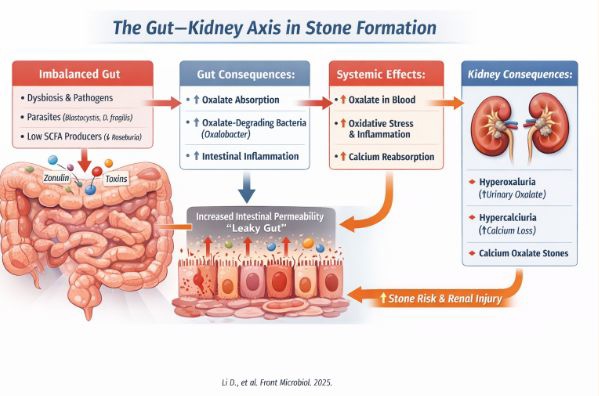
A standalone test for mycotoxins or heavy metals is often just a “snapshot” that can be misleading. However, when we triangulate that snapshot with your Genetic Detoxification Profile and Organic Acids Testing (OAT), we move from controversy to clinical clarity.
The questions we are asking doing the MycotoxinToxic Profile- Is the poison present in my environment or body? By doing the genetic test for Detoxification capabilities , we are asking- Is my body capable of flushing this poison out naturally? And Organic acids test complete the picture with the answers to the question- Has the poison caused cellular damage or fungal overgrowth
Here is why “Triangulation Testing” is the future of environmental medicine.
1. The Controversy: “Is it Exposure or Just Dinner?”
The scientific critique of urine mycotoxin testing is valid in isolation: Are high levels of ochratoxin in your urine a sign of mold illness, or did you just eat raisins and coffee this morning?
If you have a healthy detoxification system, high urinary excretion might actually be a good sign—it means your body is doing its job and flushing out daily exposures.
But what if you aren’t excreting?
The most dangerously ill patients often show low levels of toxins in their urine because their detoxification pathways are blocked. Their bodies are hoarding the toxins in fat and neural tissue rather than flushing them out. This is where the single test fails—and where our integrative approach succeeds.
2. The Solution: Real-Time Cross-Testing
At InNMAP, we don’t just look at the presence of the toxin; we look at the consequence of the toxin and your capacity to clear it.
- The “What”: Mycotoxin & Toxic Element Profile
We assess the current burden of fungal toxins (like Aflatoxin, Ochratoxin) and heavy metals (Mercury, Lead, Arsenic). - The “Why”: Detoxification Genetic Profile
We analyze your DNA for variants in key genes like HLA-DR (which dictates if your immune system can “see” and tag mold toxins) and GST/CYP enzymes (the liver’s Phase I & II “conveyor belts”).- Significance: If you have high environmental exposure but “clean” urine, yet your genetics show a homozygous GSTM1 deletion (a impaired ability to conjugate toxins), we know that “clean” result is actually a false negative—you are retaining toxicity.
- The “Damage Report”: Organic Acids Test (OAT)
We look for metabolic debris in your urine.- Are your mitochondria struggling? (High Krebs cycle intermediates)
- Is your glutathione depleted? (High Pyroglutamate)
- Is there fungal colonization? (High Arabinose or Tartaric acid)
The Synthesis: When we see a patient with moderate toxin levels, poor detox genetics, and high mitochondrial stress markers on the OAT, the diagnosis is no longer controversial. It is physiological fact.
3. Environmental Anamnesis: The Daily Drip
We cannot interpret these labs without understanding your “exposome”—your total environmental load. It’s not just about the moldy basement you lived in five years ago; it’s about the micro-doses of poison you encounter daily.
The “Paraben” Example:
Consider the preservatives in your morning shower gel. Parabens (often listed as methylparaben or propylparaben) are xenoestrogens—chemicals that mimic estrogen.
- The Symptom: A male patient with fatigue, low libido, and “stubborn belly fat” (estrogen dominance symptoms).
- The Anamnesis: He uses industrial liquid soaps and colognes daily.
- The Cross-Test: His toxic profile shows high phthalates/parabens. His genetic profile shows a COMT variant (slow breakdown of estrogens).
- The Result: His body cannot clear the “daily drip” of chemicals, leading to endocrine disruption that looks like “aging” but is actually toxicity.
The INNMAP Approach
We do not treat test results; we treat the biochemistry of the person in front of us.
By pairing Mycotoxin and Toxic Element Profiles with Detox Genetics and OAT, we silence the noise of controversy and focus on the signal of your physiology. This allows us to design a precision detox protocol—supporting your specific blocked pathways rather than guessing with generic “cleanses.”
Are you ready to stop guessing and start mapping?